



22 May Gambling's cultural influence How risk shapes social interactions
Gambling's cultural influence How risk shapes social interactions
The Origins of Gambling and Its Cultural Significance
Gambling has been an integral part of human culture for thousands of years, with its origins dating back to ancient civilizations. Archaeological evidence suggests that the Chinese, Egyptians, and Greeks participated in various forms of gambling, using dice, betting on games, and even engaging in rudimentary lottery systems. These early practices were often tied to religious rituals or celebrations, showcasing how gambling served not only as entertainment but also as a social glue that strengthened community bonds. Furthermore, players can explore various gaming options like slots and table games through a Bonus Strike Casino login, further enhancing their experience.

As societies evolved, so did the nature and purpose of gambling. In medieval Europe, gambling became a popular pastime among the nobility, influencing social hierarchies and alliances. The advent of casinos in the 17th century marked a significant turning point, transforming gambling into a more organized and formalized activity. This shift not only made gambling more accessible but also contributed to the development of social spaces where individuals could interact, share experiences, and forge relationships based on risk and reward.
The cultural significance of gambling extends beyond mere entertainment; it reflects broader societal values and norms. For instance, in many cultures, gambling is associated with notions of luck, fate, and destiny, inviting individuals to engage with the uncertainty of life. This engagement with risk often mirrors social interactions, as people navigate relationships with a similar blend of caution and bravery, making gambling a fascinating lens through which to understand cultural dynamics.
The Psychology of Risk and Social Interactions
Risk-taking is a fundamental aspect of human psychology, influencing not just gambling behaviors but social interactions as well. The thrill associated with taking risks can lead to heightened emotions, which often serve as catalysts for social bonding. When individuals engage in high-stakes games or bets, they often experience a mix of adrenaline and anxiety, fostering connections through shared experiences. These heightened emotions can create lasting memories, reinforcing the social ties between participants.
Moreover, the psychology of risk varies significantly across cultures and individuals. In some societies, risk-taking is celebrated as a form of bravery and adventure, while in others, it may be viewed with skepticism or caution. This cultural lens shapes how individuals approach both gambling and social interactions. For example, someone from a high-risk culture might be more inclined to engage in daring conversations or activities, whereas someone from a risk-averse background may prefer more cautious and calculated interactions.
Ultimately, the interplay between risk and social dynamics underscores the importance of context in shaping behavior. Understanding how cultural attitudes towards risk influence social interactions can provide valuable insights into relationship-building processes. The lessons learned from gambling contexts can be applied to various social settings, where the stakes may not be monetary but are nonetheless significant in shaping human connections.
Gambling as a Social Activity and Its Impacts
Gambling often transcends individual behavior, emerging as a collective social activity that fosters interaction among diverse groups. Casinos, poker nights, and betting pools serve as venues where people gather, share stories, and forge connections. These social settings provide opportunities for individuals to collaborate and compete, emphasizing the communal aspects of risk-taking. By participating in gambling, individuals often find common ground, forging friendships and alliances based on shared interests and experiences.
The impact of gambling on social interactions is further amplified by the cultural narratives surrounding it. For many, gambling is associated with celebration and camaraderie, making events like poker tournaments or casino nights popular social gatherings. These events not only provide entertainment but also create a platform for individuals to build relationships, exchange ideas, and engage in friendly competition. This sense of community can have far-reaching effects, influencing social cohesion and collective identity.
However, the social aspects of gambling also come with potential downsides. While some individuals might thrive in these environments, others may feel excluded or pressured to participate. The risks associated with gambling can lead to negative social outcomes, including addiction and strained relationships. Understanding these dual impacts is crucial for fostering healthy social interactions within gambling contexts, ensuring that they serve as positive experiences for all involved.
The Role of Technology in Modern Gambling Cultures
With the rise of the internet, the landscape of gambling has dramatically changed, reshaping its cultural significance and social interactions. Online gambling platforms have made it easier for individuals to participate in games from the comfort of their homes, broadening access to diverse gambling experiences. This shift has led to the emergence of virtual communities, where players interact through forums, chat rooms, and social media, creating new avenues for social bonding.
The technological transformation of gambling has also introduced new risks and rewards. While online casinos and betting apps can facilitate social interactions, they can also foster isolation, as individuals might choose to gamble alone rather than in communal settings. This shift can impact the traditional social aspects of gambling, as players may miss out on the shared experiences that come with in-person gambling environments. Striking a balance between enjoying the convenience of online gambling and maintaining social interactions is crucial in today’s digital age.
Additionally, advancements in technology have led to innovations such as live dealer games, which simulate the experience of being in a physical casino. These games allow players to interact with real dealers and fellow players in real time, bridging the gap between online and offline experiences. This blending of technology and social interaction not only enhances the gambling experience but also reinforces the cultural significance of shared risk-taking in a modern context.
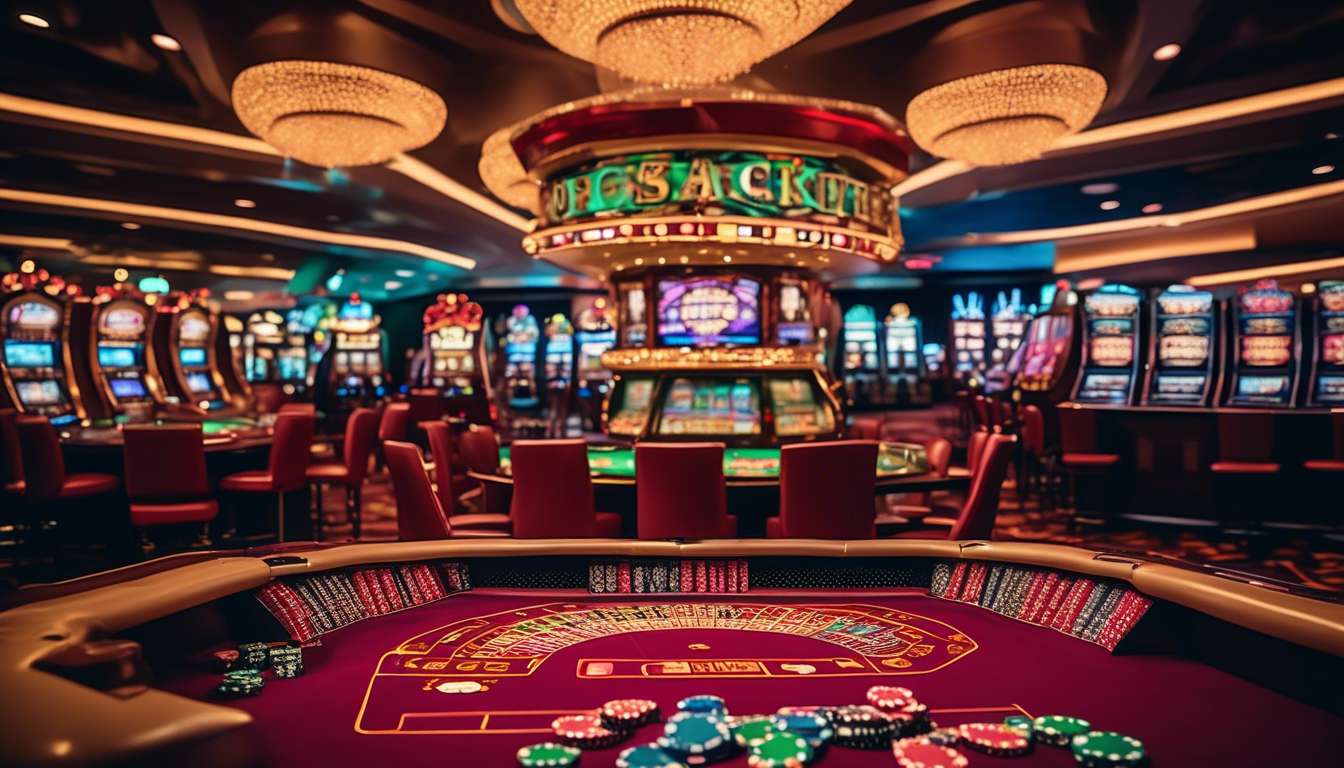
Exploring Bonus Strike Casino: A New Era of Online Gaming
Bonus Strike Casino is an exemplary platform that encapsulates the changing landscape of gambling in contemporary society. With its vast array of games, from slots to live dealer options, it caters to a diverse audience seeking both entertainment and social engagement. The site’s user-friendly design and robust payment methods reflect the growing demand for convenience in online gambling, allowing players to focus on what truly matters: the experience.
The casino’s promotions, including a generous no deposit bonus of 50 free spins, exemplify the competitive nature of the online gambling market. Such incentives not only attract new players but also encourage ongoing social interactions among existing users. Players often share their experiences and strategies, fostering a sense of community that transcends the digital platform, showcasing how modern gambling environments can facilitate connections.
Additionally, with a dedicated customer service team available 24/7, Bonus Strike Casino ensures that players have a secure and enjoyable environment. This commitment to user satisfaction reflects a broader cultural shift in the gambling industry, where player well-being is increasingly prioritized. As online gambling continues to evolve, platforms like Bonus Strike Casino highlight the potential for technology to enhance both individual experiences and communal interactions in the world of gambling.
No Comments