



10 Apr Cultural views on gambling How traditions shape attitudes and behaviors
Cultural views on gambling How traditions shape attitudes and behaviors
Historical Context of Gambling Practices
The historical context of gambling plays a crucial role in shaping cultural views and attitudes towards it. For centuries, societies across the globe have engaged in various forms of gambling, ranging from informal betting among friends to organized games in lavish venues. In many cultures, these practices were deeply intertwined with rituals, celebrating victories in life or mourning losses. For example, ancient Chinese and Roman societies often included gambling in their festivals, which influenced the way contemporary cultures perceive gambling as a form of entertainment and social interaction. In modern Australia, players can explore various options, including platforms like BSB007, which have become a significant part of the local gaming culture.
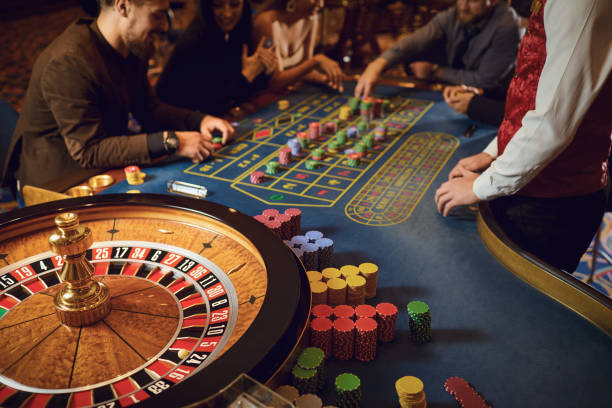
In some regions, gambling has roots in agricultural traditions, where games of chance were used to predict harvests or celebrate successful planting. This historical link has transformed gambling into a communal activity, often viewed as a rite of passage. Cultural narratives surrounding these practices provide a backdrop for understanding modern attitudes, as they illustrate the human penchant for risk-taking and entertainment, often highlighting the blurred lines between superstition and leisure.
Additionally, historical legislation surrounding gambling has shaped attitudes significantly. As societies evolved, so did the regulation of gambling, reflecting moral views and concerns over public health. In some cultures, gambling has faced periods of prohibition, creating a stigma that continues to affect perceptions today. On the other hand, regions with more liberal gambling laws have cultivated a reputation for acceptance, which impacts the behaviors of individuals within those societies.
Influence of Religion on Gambling Views
Religion has been a decisive factor in shaping cultural perspectives on gambling. Various religious beliefs interpret the act of gambling through the lens of morality, often deeming it either acceptable or sinful. For instance, many branches of Christianity have historically condemned gambling as an immoral vice that promotes greed and encourages addiction. This perspective fosters a negative stigma surrounding gambling within these communities, leading to restrictive social norms and a lack of participation.
In contrast, certain Eastern religions, such as Buddhism and Hinduism, possess a more nuanced perspective on gambling. While not universally embraced, some interpretations suggest that gambling can be a harmless activity if approached with moderation and responsibility. This acceptance encourages social gatherings and celebrations, where games of chance are included in festivities, underscoring a contrasting view compared to more conservative religious groups.
The juxtaposition of these religious beliefs affects community dynamics and influences individual choices regarding gambling. In areas where a predominantly liberal religious viewpoint prevails, gambling is often seen as a legitimate form of entertainment, contributing positively to local economies. Conversely, regions with stricter religious influences tend to exhibit lower participation rates and a more negative societal view, demonstrating the powerful role of faith in shaping cultural attitudes toward gambling.
Cultural Norms and Social Attitudes
Cultural norms significantly influence social attitudes toward gambling, determining whether it is viewed as a mere pastime or a serious vice. In societies where gambling is integrated into social rituals, it often garners a sense of community. For example, in countries like Australia and Canada, casual betting on sports or participating in poker nights among friends is a common practice, encouraging bonding and camaraderie. This social acceptance facilitates a positive environment around gambling, making it a staple of local culture.
Conversely, in cultures where gambling is associated with criminality or addiction, attitudes become more negative. The portrayal of gambling in media, particularly in regions where it is illegal or taboo, can lead to an increased sense of apprehension surrounding the activity. Social narratives often reflect the dangers of gambling, promoting the idea that it is linked to personal and societal problems, such as financial ruin or family issues, which discourages participation and fosters stigma.
The generational gap in attitudes toward gambling also highlights cultural differences. Younger individuals, influenced by changing societal norms and the proliferation of online gambling, often adopt more liberal views than their predecessors. This generational shift indicates that cultural attitudes can evolve, as traditional beliefs are challenged by new forms of entertainment that are more accessible and socially acceptable in modern contexts.
Regional Variations in Gambling Acceptance
Different regions around the world exhibit varying degrees of acceptance and regulation concerning gambling, shaped by cultural, historical, and legal factors. For instance, countries like Las Vegas in the United States and Macau in China have built entire economies around legalized gambling. These regions celebrate their gambling culture with extravagant establishments, showcasing the social acceptance of gambling as a legitimate form of recreation that attracts millions of visitors annually.
In contrast, many Middle Eastern countries enforce strict anti-gambling laws rooted in religious doctrines, resulting in widespread cultural stigma. The perception of gambling in these areas is often characterized by a belief that it is sinful and detrimental to social cohesion. As a result, individuals may feel compelled to hide their gambling habits, which can create an underground culture that thrives in secrecy.
This regional disparity extends to the types of gambling that are popular. In some cultures, traditional games like Mahjong or Pachinko hold cultural significance, while others favor modern electronic gaming experiences. These preferences are often shaped by historical factors, social acceptance, and local governance, contributing to the overall diversity of attitudes toward gambling across the globe.
Exploring Modern Online Gambling Cultures
With the advent of the internet, online gambling has introduced new dimensions to cultural attitudes towards gambling. This technological shift has democratized access, allowing individuals from various backgrounds to engage in online gaming, which can challenge traditional cultural norms. The convenience and anonymity of online gambling appeal to a wider audience, often leading to increased participation in regions where gambling was previously stigmatized.
As players engage with online platforms, they often find themselves part of global gaming communities. This interconnectedness fosters a cultural exchange, allowing individuals to share experiences and strategies, thereby normalizing gambling behavior. The online gambling landscape can also reflect and adapt to local cultural values, offering localized content and tailored experiences that resonate with specific audiences.
Moreover, the rise of social media and mobile applications has led to the gamification of gambling, blurring the lines between traditional gaming and gambling. This evolution prompts discussions on the implications of gambling in digital spaces, particularly regarding responsible gambling. As new generations grow accustomed to these practices, understanding the cultural views and traditions shaping their attitudes will be essential for developing effective regulation and support systems in the evolving online gambling world.

Benefits of Engaging with Online Gambling Platforms
Engaging with online gambling platforms offers numerous advantages for players, particularly in terms of accessibility and variety. A premier platform like BSB007 Casino Australia provides over 800 games, catering to a broad spectrum of interests, including pokies and classic table games. This vast selection not only enhances user experience but also reflects the growing acceptance of gambling as a form of entertainment that aligns with modern lifestyles.
Moreover, platforms like BSB007 Casino Australia prioritize user safety and convenience, employing advanced encryption methods and offering multiple payment options. This focus on security encourages players to explore gambling without the apprehension often associated with traditional venues. The added features, such as loyalty programs and ongoing promotions, further enhance the appeal, making online gambling a favorable option for both novice and experienced players.
Additionally, with 24/7 support, players are assured that assistance is always available, contributing to a positive gambling experience. This constant accessibility aligns well with the fast-paced nature of contemporary life, demonstrating how online gambling platforms are adapting to meet the needs of their users. The cultural shift towards embracing online gambling reflects broader changes in attitudes, showcasing how traditions are evolving within the gambling landscape.
No Comments