



25 Mar Understanding gambling addiction A comprehensive guide to recovery and support
Understanding gambling addiction A comprehensive guide to recovery and support
What is Gambling Addiction?
Gambling addiction, also known as compulsive gambling, is a serious condition characterized by an uncontrollable urge to gamble despite the negative consequences. Individuals who suffer from this addiction often find themselves preoccupied with gambling, leading to significant disruptions in their personal and professional lives. This behavior can escalate from casual gambling to a full-blown addiction, where the compulsion overshadows all other aspects of life. Joka Casino is an exciting option that you might explore; jokacasinos-au.com offers numerous games for enthusiasts.
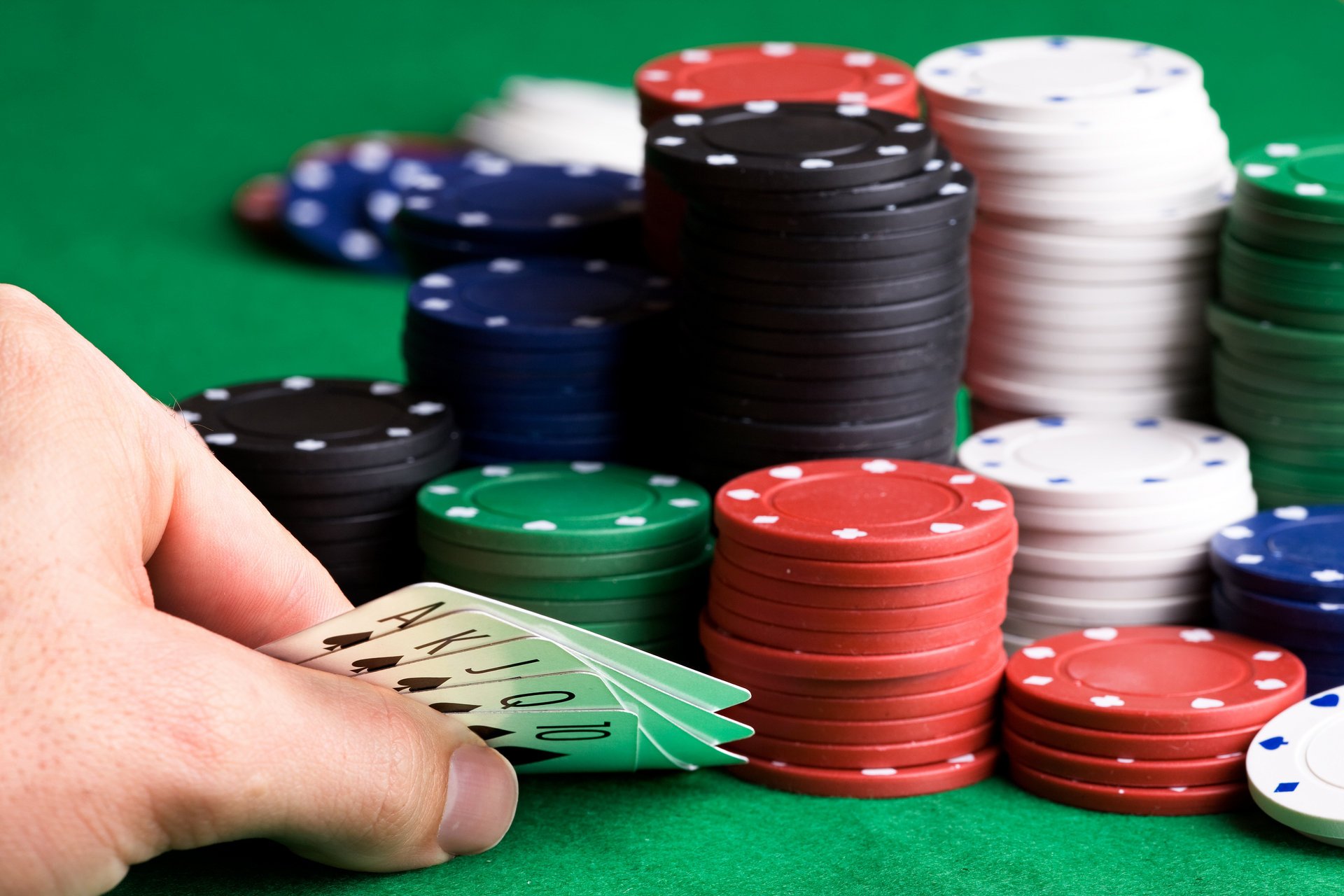
The psychological aspects of gambling addiction involve the pursuit of excitement and the thrill of winning. As individuals lose more money, they may feel compelled to gamble even more to recover their losses, creating a vicious cycle that can be incredibly difficult to break. Awareness and understanding of this condition are crucial for those affected and their loved ones.
Signs and Symptoms of Gambling Addiction
Recognizing the signs of gambling addiction can be the first step toward recovery. Common symptoms include lying about gambling habits, neglecting responsibilities, and experiencing feelings of anxiety or depression when not gambling. Individuals may also borrow money to fund their gambling activities or spend more than they can afford to lose. These behaviors can lead to financial troubles, damaged relationships, and emotional distress.
If someone close to you exhibits these symptoms, it is essential to approach the situation with care and compassion. Open discussions about the potential impact of gambling can help individuals recognize their problem and seek help. Early intervention can make a significant difference in the recovery process.
Pathways to Recovery
Recovery from gambling addiction is a challenging but achievable goal. Various treatment options are available, including therapy, support groups, and self-help strategies. Cognitive Behavioral Therapy (CBT) has been shown to be particularly effective, helping individuals change their thought patterns and behaviors associated with gambling. Therapy can provide a safe space for individuals to explore the root causes of their addiction and develop coping strategies.
Support groups, such as Gamblers Anonymous, offer a community of understanding peers who share similar struggles. These groups provide a platform for individuals to share their experiences and learn from one another. Engaging with others on the same journey can foster a sense of belonging and accountability, both of which are vital for long-term recovery.
Support for Families and Friends
Gambling addiction does not only impact the individual; it can profoundly affect family and friends as well. It is essential for loved ones to seek support for themselves to better understand the addiction and learn how to cope. Resources such as family therapy can facilitate open discussions and improve communication among family members.
Creating an environment of support and understanding can significantly aid in the recovery process for the individual struggling with addiction. Setting healthy boundaries and encouraging professional help can provide the necessary framework for rebuilding trust and relationships.

Resources for Help and Support
Many organizations and resources are available for individuals seeking help with gambling addiction. These resources include hotlines, online support forums, and local treatment centers. It is crucial to remember that reaching out for help is a sign of strength, not weakness. Finding the right support network can be pivotal in achieving recovery.
Additionally, websites dedicated to gambling addiction provide valuable information and tools for both individuals and their families. Resources may include educational materials, coping strategies, and directories of local support groups and therapists.
No Comments